











Top updates: US, Israel hit Iran’s Natanz nuclear site, Tehran says no radioactive leaks reported
The United States also lifted sanctions for 30 days on the purchase of Iranian crude oil and petroleum products at sea to ease energy supply pressures.
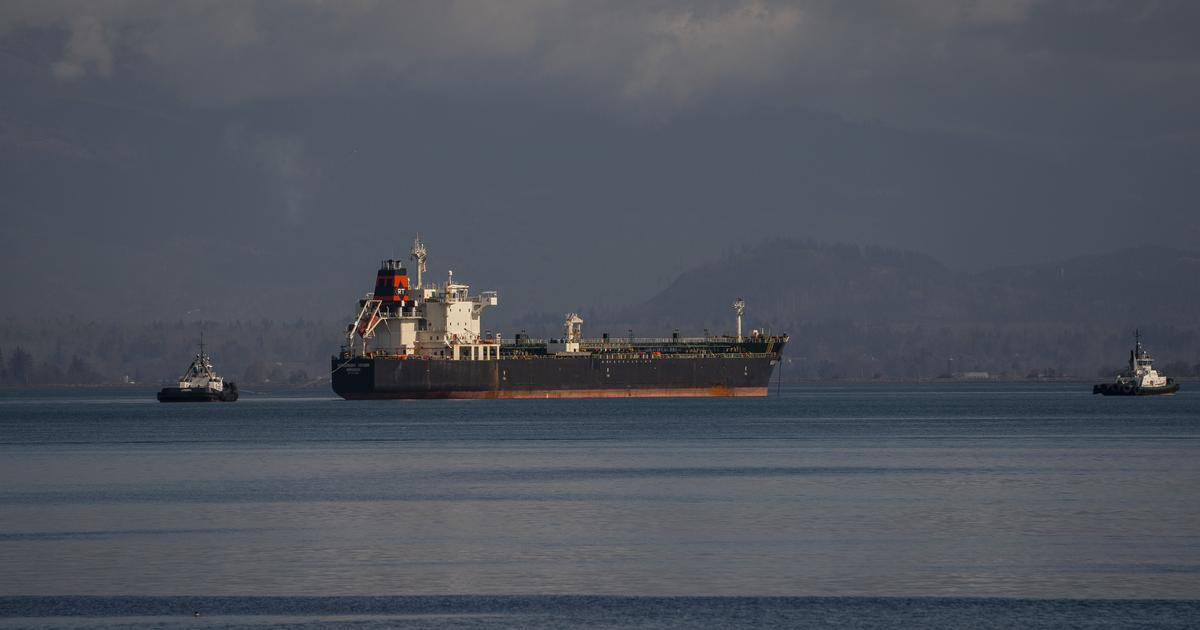
The United States and Israel on Saturday launched an attack on the Natanz uranium-enrichment facility in Iran, Reuters quoted Tasnim news agency as saying.
No radioactive leaks occurred and residents near the site were not at risk, the Iranian news agency added.
The Natanz facility was hit in the first week of the conflict in West Asia as well. The International Atomic Energy Agency had said at the time that some entrance buildings at the plant suffered damage, but had added that “no radiological consequence” was expected due to the strike.
Here are more top updates from the conflict in West Asia:
- On Friday, the US temporarily lifted sanctions for 30 days on the purchase of Iranian crude oil and petroleum products at sea to ease energy supply pressures amid the conflict in West Asia.
- In a social media post, US Treasury Secretary Scott Bessent said that “by temporarily unlocking this existing supply for the world, the United States will quickly bring approximately 140 million barrels of oil to global markets, expanding the amount of worldwide energy and helping to relieve the temporary pressures on supply caused by Iran”. Bessent added: “In essence, we will be using the Iranian barrels against Tehran to keep the price down as we continue Operation Epic Fury.”
- Earlier on Friday, Iran said that it had “no surplus crude oil” to offer to international markets after the US treasury secretary indicated on Thursday that Washington could lift sanctions on Iranian oil at sea.
- “Currently, Iran basically has no surplus crude oil left on the water or for supply in other international markets, and the US treasury secretary’s statement is solely aimed at giving hope to buyers,” Iranian Oil Ministry spokesperson Saman Ghoddoosi said on social media.
- The waiver on Iranian oil comes days after the Donald Trump administration eased sanctions for Russian oil already at sea. It also comes against the backdrop of Washington seeking to stem a global supply crunch caused by Iran effectively blocking the Strait of Hormuz, the narrow waterbody connecting the Gulf to the Arabian Sea, for most international commercial vessels. About 20% of global petroleum supply passes through the maritime chokepoint.
- US President Donald Trump on Friday said that he was considering “winding down” military operations against Iran, adding that the Strait of Hormuz would need to be “guarded and policed” by other countries who use the vital waterbody.
- “We are getting very close to meeting our objectives as we consider winding down our great Military efforts in the Middle East with respect to the Terrorist Regime of Iran,” Trump said on social media. However, he ruled out reaching a ceasefire agreement with Iran.
- In a written message for the Persian New Year, Iran’s Supreme Leader Mojtaba Khamenei has said that Tehran’s enemies were being “defeated”, Al Jazeera reported. “At the moment, due to the particular unity that has been created between you [Iranian citizens], our compatriots – despite all the differences in religious, intellectual, cultural and political origins – the enemy has been defeated,” the news outlet quoted a statement from the supreme leader as saying.
- Trump on Friday said that the North Atlantic Treaty Organization allies were “paper tigers” and described them as “cowards”, criticising them for what he claimed was their lack of support amid the Israel-US war on Iran. NATO is a military alliance of 32 countries, including the US and several members of the European Union.
- On social media, he claimed that the countries in the alliance did not “want to join the fight to stop a Nuclear Powered Iran”. Trump added: “Now that fight is Militarily WON, with very little danger for them, they complain about the high oil prices they are forced to pay, but don’t want to help open the Strait of Hormuz.”
- In India, an airlines group representing IndiGo, Air India and SpiceJet, warned the Union government of route withdrawals, and delayed fleet and network expansions if fare caps imposed in December are not revoked, Reuters reported.
- In a letter to the Union government on March 12, the Federation of Indian Airlines noted growing financial pain even before the Iran crisis, when airlines were hit hard by a Pakistani airspace ban for international operations due to diplomatic tensions, Reuters reported. On December 6, the civil aviation ministry had imposed distance-based fare caps amid continued disruptions in IndiGo’s operations and a sharp spike in ticket prices.
The US and Israel launched an attack on the Iranian government on February 28, claiming that Tehran’s action posed an existential threat to Israel. Washington acts as a guarantor of Israel’s security. Iran has retaliated by striking Israel and US military bases in the region, and targeting major cities in Gulf countries and some ships.
Israel has been claiming that Iran is close to obtaining a nuclear weapon, which could alter the regional security balance. Tehran has long maintained that its nuclear programme is for civilian purposes.
Since the start of the conflict, Iran has effectively blocked the Strait of Hormuz for most international commercial vessels. The International Energy Agency has said that the fighting has caused the “largest supply disruption in the history of the global oil market”.
Also read:
